Common Issues in Patent Collaboration and Solutions
Intellectual Property Management
Aug 10, 2025
Explore solutions to common patent collaboration challenges, including communication, version control, and security, enhanced by AI tools.
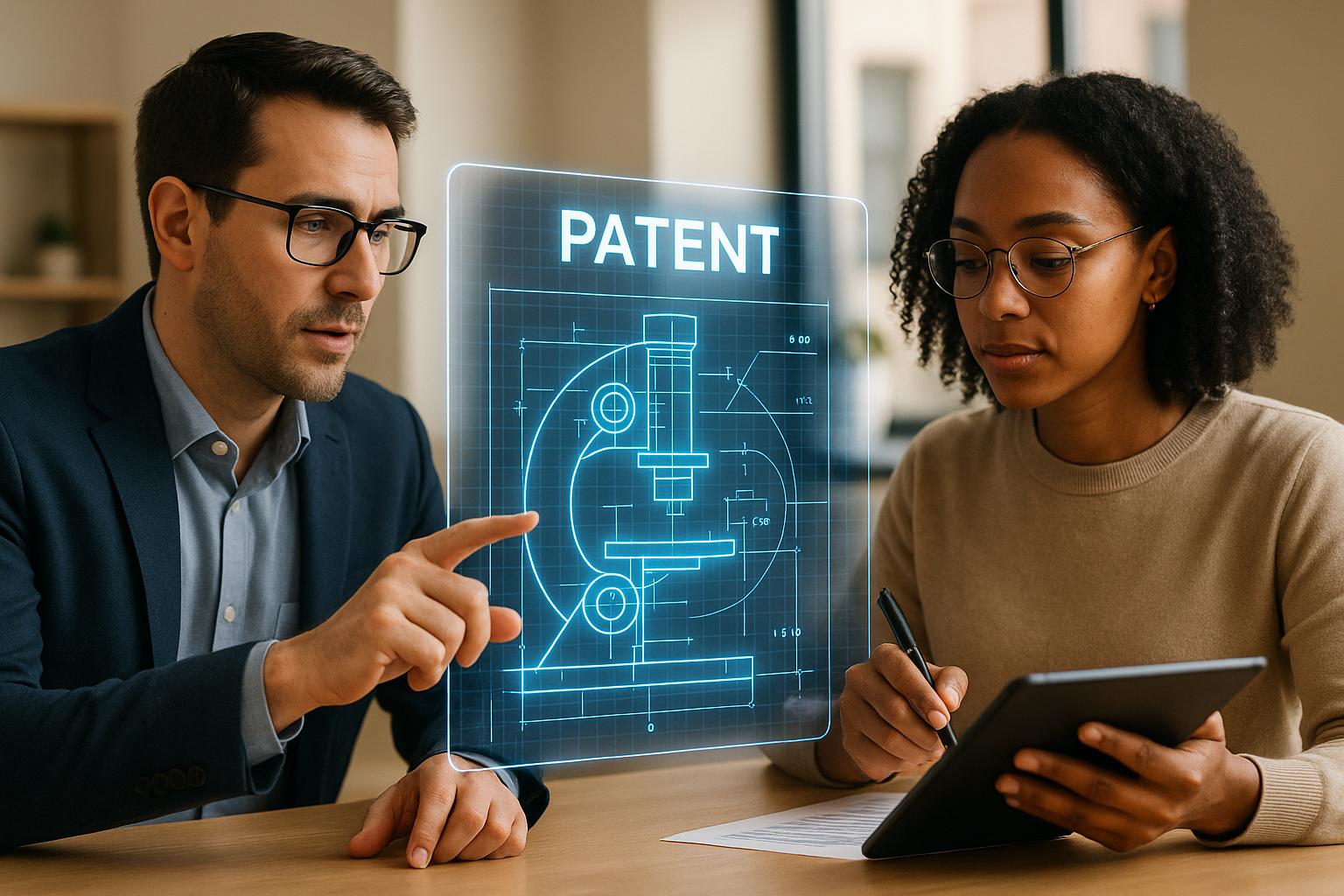
Patent collaboration faces challenges like poor communication, version control problems, and security risks when handling sensitive intellectual property. These issues can delay projects, create confusion, and jeopardize confidentiality. Modern tools, particularly real-time platforms with AI capabilities, address these problems by improving communication, automating version control, and enhancing security.
Key Takeaways:
Communication: Real-time messaging and centralized dashboards reduce delays and misunderstandings.
Version Control: AI tracks changes, resolves conflicts, and ensures teams work on the latest document version.
Security: Role-based access controls and encryption protect sensitive data.
AI Tools: Semantic search and analytics simplify patent research and identify risks or opportunities.
Platforms like Patently integrate these features, streamlining patent collaboration for inventors, attorneys, and organizations.
IPShare: Minesoft's Patent Collaboration Tool
Common Patent Collaboration Problems
Collaborating on patents requires crystal-clear communication, especially when dealing with both technical and legal details. Without it, misunderstandings can lead to delays and make the filing process unnecessarily complex. Since patent data is highly sensitive, it's crucial for inventors, legal teams, and business professionals to stay on the same page about shifting technical specifics and legal requirements. Providing teams with a solid understanding of intellectual property basics is key to aligning strategies and ensuring compliance. These challenges highlight the need for real-time tools that can bridge communication gaps effectively.
How Real-Time Tools Solve These Problems
The demands of modern patent collaboration call for tools that connect inventors, attorneys, and stakeholders instantly. These real-time platforms tackle the delays and confusion that often bog down traditional patent workflows.
Improved Communication and Project Management
Real-time messaging tools ensure patent teams stay connected at every stage of development. Quick exchanges clarify technical and legal details without the usual back-and-forth delays. Collaborative dashboards provide a bird’s-eye view of project timelines, letting everyone know exactly where each patent application stands.
Task tracking features keep everything on schedule by automatically setting reminders and deadlines when additional input is needed. Project managers can oversee multiple patent applications at once, spotting potential bottlenecks early and keeping things moving smoothly.
Centralized communication threads tie discussions directly to relevant patent documents, so teams don’t have to dig through endless email chains to find that one crucial clarification. This setup minimizes miscommunication and ensures everyone stays aligned. Additionally, managing document versions becomes far more streamlined.
AI-Driven Version Control
AI takes the headache out of version control by automatically tracking every change and maintaining a detailed modification history. This eliminates the risk of working on outdated drafts or accidentally overwriting important updates.
When conflicting changes arise, the system flags them immediately and prompts for resolution. This preemptive approach helps avoid the chaos that can derail patent collaboration.
Smart merging capabilities are another game-changer. The AI understands the structure of patent documents, seamlessly integrating technical drawings, claims, and specifications without messing up formatting or creating inconsistencies. The result? A single, reliable version of each patent application that the entire team can trust.
Enhanced Security and Access Controls
Granular permissions ensure that only authorized individuals can access specific parts of a project. For example, patent attorneys might have full access to all documents, while external consultants are limited to the technical sections they need to review. Role-based access controls adjust automatically as team members join or leave the project.
Enterprise-grade encryption safeguards sensitive intellectual property during both transmission and storage. Audit trails keep a record of every action taken on patent documents, helping teams meet strict legal compliance requirements by showing exactly who accessed what and when.
Time-limited access adds another layer of security, automatically revoking permissions once collaboration ends. This ensures external partners lose access to confidential information once their contributions are complete, reducing long-term risks while maintaining productive partnerships.
Smarter Search and Analytics
AI-powered semantic search tools make it easier than ever to find relevant patents. By understanding the meaning behind words, these tools deliver more accurate and comprehensive search results.
Instead of wrestling with complex Boolean operators, teams can use natural language queries to comb through vast patent databases. The AI quickly identifies related patents and flags potential infringement risks. Intelligent categorization organizes search results by relevance, making it easier to focus on what matters most.
Standard Essential Patent (SEP) analytics tools go a step further by mapping how patents fit into broader technology trends. They reveal connections between patents, industry standards, and market implementations, uncovering licensing opportunities and competitive insights that would be tough to spot manually. These features help teams position their patents strategically within the technological landscape.
How Patently Solves Collaboration Problems
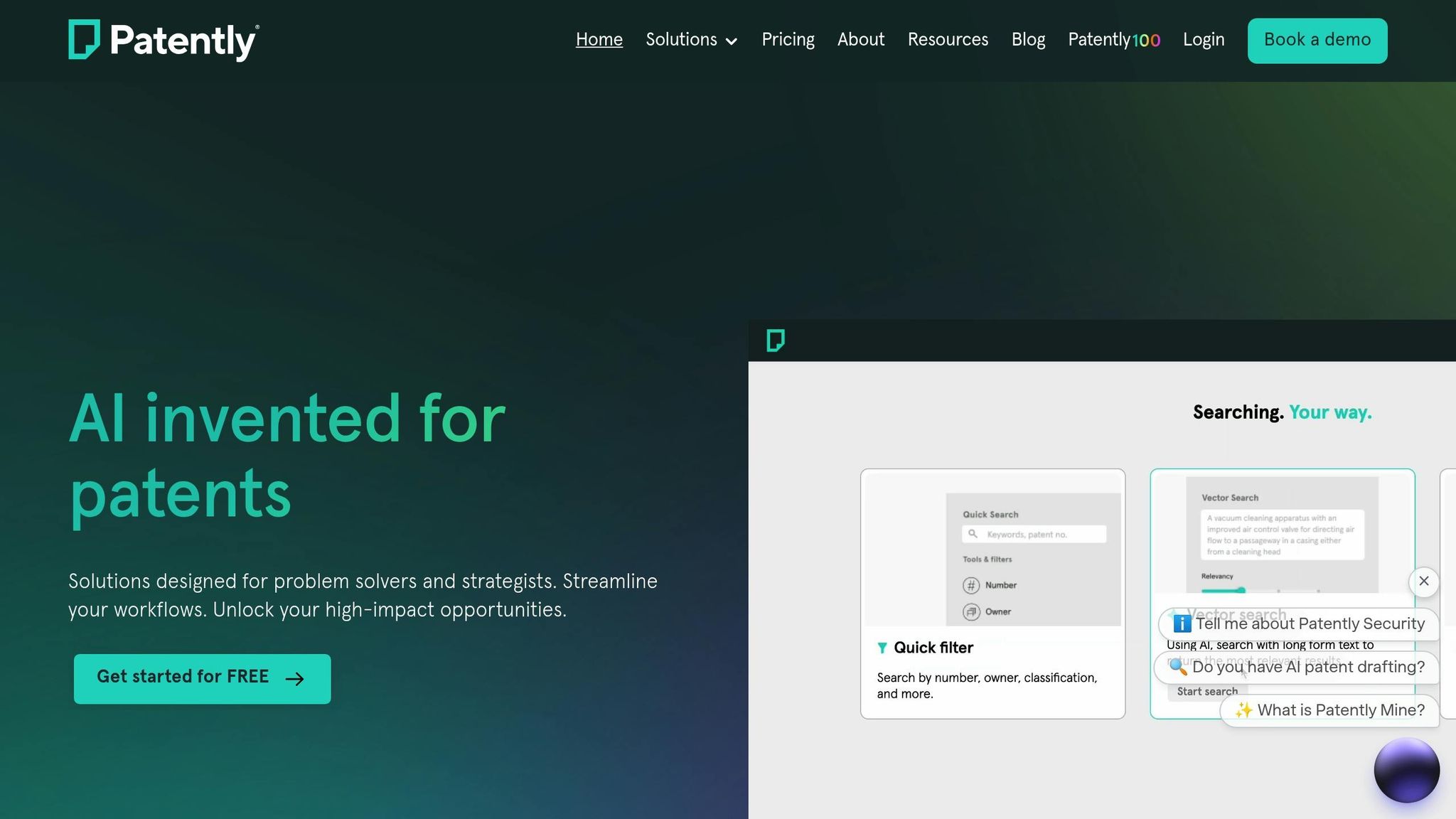
Patently is designed to streamline how patent professionals work together by combining real-time collaboration tools with AI-driven features. This platform brings everything a patent team might need - AI-assisted drafting, advanced search capabilities, and project management - into one cohesive system. By addressing common pain points like miscommunication and version control issues, Patently helps teams avoid costly errors and work more efficiently.
AI Patent Drafting and Version Control
Patently's AI assistant, Onardo, simplifies the creation and management of patent documents. Onardo ensures that every team member is working on the most up-to-date version of a document, automatically syncing updates to text, drawings, and specifications. It even integrates features like custom fields and fee tracking to keep everything organized. This approach eliminates the headaches of version control mistakes and communication breakdowns, giving teams more confidence in their work.
Semantic Search with Vector AI
With Vector AI, Patently goes beyond basic keyword searches by using natural language processing. This allows patent professionals to find relevant prior art quickly and with greater precision. The platform also includes a Forward and Backward citation browser, which highlights connections between patents. This feature helps teams identify potential infringement risks and discover licensing opportunities. Additionally, Patently supports Standard Essential Patent (SEP) analytics for 4G and 5G technologies, helping teams evaluate their position in the industry. These advanced search tools are seamlessly integrated into the platform, enhancing both research and project management.
Project Management and Security Features
Patently keeps patent teams aligned, no matter where they’re located or how complex their projects are. The platform is built to handle large patent portfolios, enabling teams to track progress across multiple applications at once. Security is a top priority - access controls are integrated directly into the project management tools, ensuring sensitive information stays protected while workflows remain smooth and efficient.
Custom Solutions for Patent Professionals
Patently offers flexible pricing plans to meet the needs of different teams and organizations. The Starter plan, priced at $125 per user per month, includes features like semantic search, analytics, and collaboration for up to 10 users. For larger teams, the Business+ and Law Firm+ plans provide unlimited users along with advanced tools like matter-centric management and client access controls. The Enterprise tier is tailored for organizations managing extensive patent portfolios, offering fully customizable solutions that integrate AI tools into existing workflows.
Best Practices for Patent Collaboration
Navigating the complexities of patent collaboration demands a clear strategy. With AI-related patent applications surging by 33% since 2018 and now accounting for 60% of all technology subclasses, the landscape of modern patent work is more intricate than ever. To keep pace, U.S. patent teams can adopt these proven practices to sidestep common challenges and enhance their collaborative efforts.
Set Clear Agreements Early
Start with well-defined intellectual property (IP) agreements. Ownership disputes can derail projects, so it's crucial to establish clear distinctions between background IP, foreground IP, and joint venture IP. These agreements should also address licensing terms, revenue sharing, and commercialization milestones. Without this clarity, teams risk costly legal battles that could jeopardize their work.
To ensure everything is in order, U.S. patent teams should work with legal counsel experienced in IP law. Drafting agreements that are concise yet comprehensive can save significant time and resources down the line. Standardized templates tailored to U.S. legal standards can simplify this process while ensuring compliance with federal regulations.
Moreover, these agreements shouldn't be static. As projects progress or new partners join, teams need to revisit and update terms to reflect the latest developments. Structured IP collaborations have proven to drive substantial product sales in the U.S., highlighting the financial benefits of getting agreements right from the outset. Once the groundwork is in place, AI tools can help enforce and streamline these agreements.
Use AI-Powered Tools
AI platforms are transforming the way patent teams collaborate, addressing delays and improving efficiency. With global patent filings expected to reach 3.45 million in 2024, a 4% increase over 2023, the need for smarter collaboration tools has never been greater. Platforms like Patently are leading the charge by streamlining drafting, enabling advanced searches, and offering real-time project management features.
Teams leveraging AI tools report up to 30% faster patent drafting and fewer legal disputes. For instance, Onardo allows multiple collaborators to work on the same document simultaneously while maintaining version control. Its Vector AI semantic search feature goes beyond basic keyword matching, using natural language processing to quickly identify relevant prior art and flag potential conflicts.
For teams juggling multiple patent applications, AI-powered dashboards provide a bird’s-eye view of project progress, helping to identify and resolve potential bottlenecks before they escalate. These tools can also be customized with user roles, permissions, and workflows tailored to the specific needs of an organization, making them invaluable for complex, multi-stakeholder projects.
Follow Strong Security Protocols
Patent collaboration often involves sharing sensitive information, making strong security measures a non-negotiable priority. Platforms with end-to-end encryption, multi-factor authentication, and user access controls are essential for safeguarding intellectual property. Additionally, organizations working with government agencies or handling classified data must comply with U.S. regulations like the Federal Information Security Management Act (FISMA).
As data privacy laws become stricter and cross-border enforcement grows more complex, secure collaboration platforms have shifted from being a luxury to a necessity. Regular audits and staff training can further reduce the risk of data breaches. Tools like Patently address these concerns by integrating robust access controls directly into their project management systems, ensuring sensitive data remains secure without disrupting workflows.
Teams should also establish clear protocols for how data is stored, transferred, and disposed of, especially when working with international partners or external contractors. These steps are crucial for maintaining trust and compliance in an increasingly interconnected world.
Maintain Open Communication
Open and consistent communication is the backbone of any successful patent collaboration. As projects grow in size and complexity, miscommunication can lead to costly errors. Regular check-ins, real-time messaging, and clear record-keeping can help teams stay aligned and avoid misunderstandings.
It’s also helpful to designate specific communication channels for different types of discussions - technical, legal, and administrative - to ensure important details don’t get lost in the shuffle. With patent prosecution often spanning multiple time zones and jurisdictions, precise coordination becomes even more critical.
Platforms that support asynchronous collaboration allow team members to contribute effectively, regardless of location. These tools also maintain detailed logs of changes, providing transparency that is especially valuable when resolving inventorship or ownership disputes during the patent process. Clear communication not only keeps projects on track but also builds stronger, more cohesive teams.
Conclusion
The landscape of patent collaboration is evolving, and with it comes the need for more refined, effective solutions to navigate its complexities. Without the right tools and strategies, even the most promising projects can lose momentum.
Platforms like Patently are redefining how teams approach patent collaboration by leveraging AI-driven tools. Features such as Onardo's AI patent drafting assistant, Vector AI semantic search, and robust project management capabilities empower teams to work more seamlessly while maintaining the precision and security that patent work demands.
These advancements do more than streamline workflows. They emphasize the importance of early intellectual property agreements, the adoption of AI technologies, stringent security measures, and consistent communication. By integrating these practices into their processes, teams can transition from outdated methods to more agile and efficient collaboration. Tools like Patently are specifically designed to meet the unique needs of patent professionals, providing a solid foundation for success in an increasingly intricate intellectual property landscape.
The future of patent collaboration lies in working smarter, supported by tools that are built to deliver precision and efficiency.
FAQs
How can real-time tools improve communication and project management during patent collaboration?
Real-time tools are game-changers when it comes to communication and project management in patent collaboration. They allow instant sharing of updates, drafts, and feedback, keeping everyone - patent attorneys, inventors, and R&D teams - on the same page throughout the process.
By centralizing information, these tools simplify task management, clearly define responsibilities, and provide real-time progress tracking. The result? Faster decisions, fewer delays, and smoother collaboration, helping teams move closer to their patent objectives with less hassle.
How does AI improve version control and enhance security for patent documents?
AI brings a new level of efficiency to version control by automatically keeping track of document revisions. Every change is logged and easily accessible, making it simple to avoid confusion over multiple versions. This seamless tracking also helps teams collaborate more effectively, ensuring everyone stays on the same page.
When it comes to security, AI-driven tools step in to protect sensitive patent documents. By analyzing patterns and spotting anomalies, these tools can detect unauthorized access or potential tampering. This not only safeguards the confidentiality of the documents but also ensures their integrity. For patent professionals, these advancements mean they can work more effectively without compromising on security.
Why is it crucial to establish clear intellectual property agreements early in the patent collaboration process?
Establishing clear intellectual property (IP) agreements right from the start of a patent collaboration is a smart move to prevent confusion or conflicts down the line. These agreements lay out the essentials - who owns what, how licensing will work, and how revenue will be divided - so everyone is on the same page from day one.
Sorting out these details early not only safeguards new innovations as they take shape but also ensures that rights are distributed fairly. This kind of preparation makes the collaboration process smoother, builds trust between partners, and minimizes the risk of legal headaches in the future.